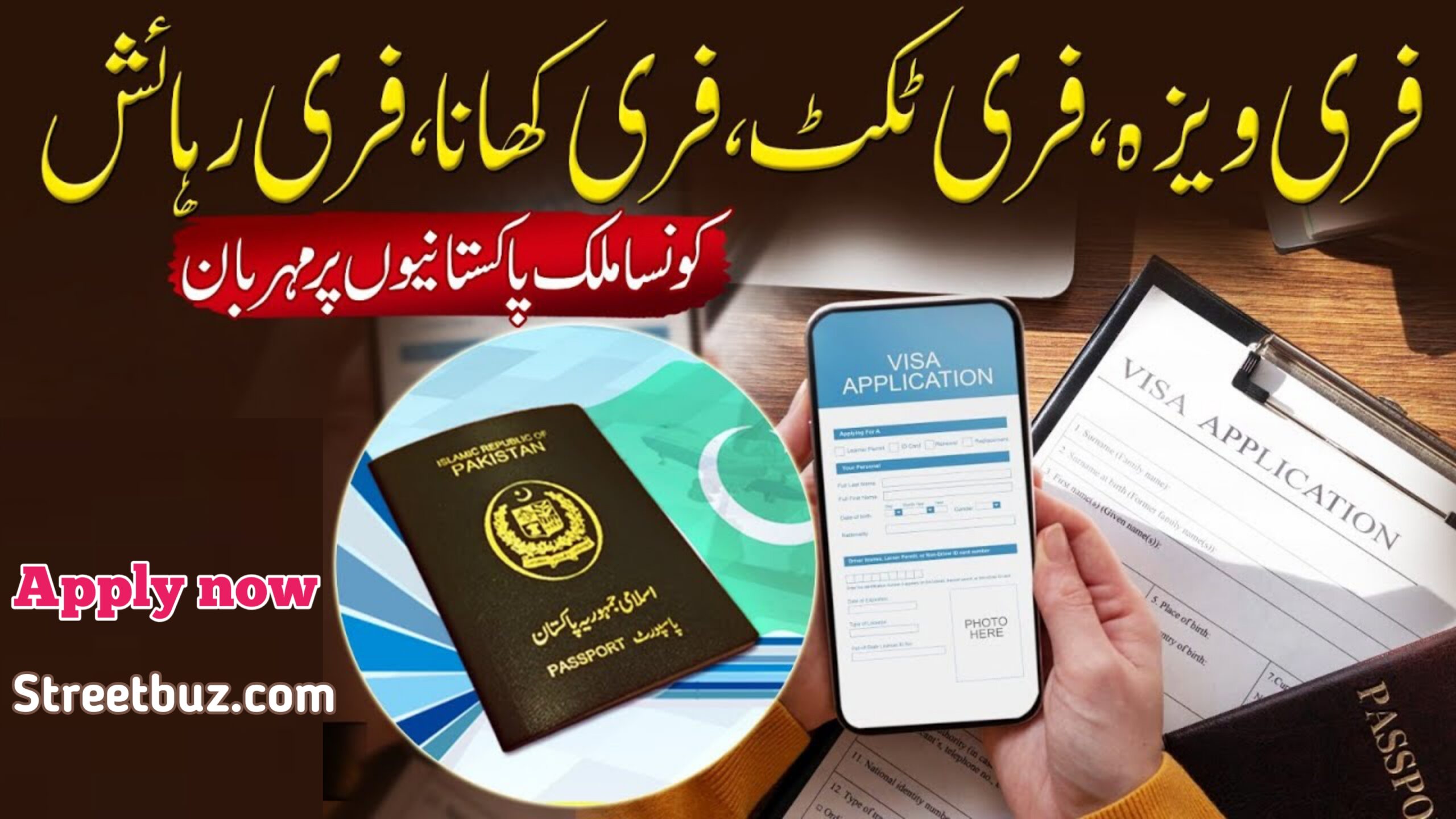
Applying for a visa can feel confusing, especially if you are doing it for the first time. Different countries have different rules, documents, and procedures, but the basic visa application process is almost the same everywhere. This A to Z guideline will help you understand each step clearly, from choosing the right visa to getting your passport stamped.
A – Analyze Your Purpose of Travel
The first and most important step is to understand are traveling. Is it for tourism, study, work, business, or family visit? Each purpose has a specific visa type. Applying for the wrong visa can lead to rejection, so be very clear about your travel reason.
B – Browse Official Embassy Website
Always visit the official website of the country’s embassy or consulate. Never rely completely on agents or third-party websites. Embassy websites provide authentic information about visa types, fees, required documents, and application forms.
C – Choose the Correct Visa Category
Every country offers multiple visa categories such as tourist visa, student visa, work visa, transit visa, and spouse visa. Read the eligibility criteria carefully and choose the visa that matches your travel purpose.
D – Download the Application Form
Most countries allow you to download the visa application form online. Some countries also provide online application systems. Fill the form carefully using correct personal details that match your passport.
E – Ensure Passport Validity
Your passport is the most important document. Usually, your passport must be valid for at least 6 months beyond your travel date and should have at least two blank pages. If your passport is near expiry, renew it before applying.
F – Fill the Form Accurately
Fill in all details honestly and accurately. Any mismatch between your form and documents can cause delays or rejection. Avoid spelling mistakes, incorrect dates, or false information.
G – Gather Required Documents
Document requirements may vary, but commonly required documents include:
Passport copies
Passport-size photographs
Bank statements
Travel itinerary
Hotel booking
Invitation letter (if applicable)
Employment or study proof
Make sure all documents are clear and updated.
H – Health and Travel Insurance
Many countries require travel medical insurance that covers emergencies during your stay. Some visas also require medical tests. Always check insurance requirements before submitting your application.
I – Interview Preparation
Some visa types require an interview. Be confident, dress neatly, and answer honestly. The visa officer may ask about your travel plan, financial status, or intent to return to your home country.
J – Join Biometric Appointment
Most embassies now require biometric data, including fingerprints and photographs. Book your biometric appointment in advance and arrive on time with all required documents.
K – Keep Proof of Financial Stability
Embassies want to ensure that you can support yourself during your stay. Provide bank statements, salary slips, or sponsorship letters to prove your financial stability.
L – Language and Translation
If your documents are not in English or the official language of the destination country, get them translated by a certified translator.
M – Make Visa Fee Payment
Visa fees vary depending on visa type and country. Fees are usually non-refundable, even if your visa is rejected. Pay the fee using the method mentioned on the official website.
N – Note Processing Time
Visa processing time can range from a few days to several weeks. Apply well in advance to avoid last-minute stress. Do not book non-refundable tickets before visa approval.
O – Online Tracking
Many embassies allow you to track your visa application online. Keep your application number safe to check updates easily.
P – Prepare for Possible Rejection
Visa rejection is possible. Common reasons include insufficient funds, unclear travel purpose, or incomplete documents. If rejected, review the reason carefully and reapply with improved documentation.
Q – Questions by Visa Officer
Always answer questions clearly and honestly. Inconsistent answers can create doubt and affect your application negatively.
R – Receive Your Passport
Once approved, your passport will be returned with the visa sticker or electronic visa confirmation. Check visa details carefully, including name, dates, and visa type.
S – Study Visa Conditions
Read all visa conditions such as stay duration, work permission, and entry limits. Violating visa rules can cause future travel bans.
T – Travel Planning
After receiving your visa, finalize your travel plans, accommodation, and transportation. Keep all documents handy while traveling.
U – Understand Entry Rules
Some countries may ask additional questions at the airport. Carry supporting documents to prove your travel purpose.
V – Visa Extension Rules
If you plan to stay longer, check visa extension rules in advance. Overstaying can result in fines or legal issues.
W – Work Restrictions
Tourist visas usually do not allow work. Never work illegally on a visit visa.
X – X-Factor: Honesty
Honesty is the key to visa success. False documents or information can permanently damage your travel history.
Y – Your Travel History Matters
A good travel history increases your chances of approval. Always follow immigration rules.
Z – Zero Mistakes Policy
Double-check everything before submission. Small mistakes can lead to rejection.